ASRS Warehouse Design Guide 2026: How AI Scheduling Systems Improve 1,000+ Operations Per Hour Efficiency
Summary
This guide explains how modern ASRS warehouse design integrates AI scheduling systems to achieve over 1,000 operations per hour in large-scale logistics environments.
It covers system architecture, storage logic, equipment coordination, and optimization strategies used in high-performance automated warehouses.
Technology
- Automated Storage and Retrieval System (ASRS) design architecture
- AI-driven warehouse scheduling system
- Multi-zone dynamic storage allocation
- Real-time task dispatching engine
- Stacker crane + shuttle hybrid configuration
- Conveyor + AGV integration layer
- WMS / WES / ERP system integration
- Logistics path optimization algorithms
- Digital twin warehouse simulation
Challenge
Modern warehouse systems face increasing complexity challenges:
Handling high SKU volume with real-time demand changes
Avoiding congestion in high-frequency operations
Coordinating multiple automation devices simultaneously
Maintaining stable throughput above 1,000 operations/hour
Reducing latency in picking and storage cycles
Ensuring accurate system-wide synchronization
Traditional warehouse design methods cannot support AI-level dynamic logistics.
Solution
The ASRS design solution integrates:
AI-based dynamic scheduling system
Multi-zone warehouse architecture design
Distributed storage logic for load balancing
Real-time task allocation across devices
Hybrid automation equipment coordination
Predictive path optimization system
Full WMS/WES integration layer
This transforms the warehouse into an intelligent logistics execution system.
Workflow & Layout
Incoming goods are digitized via scanning system
AI scheduling engine assigns optimal storage zone
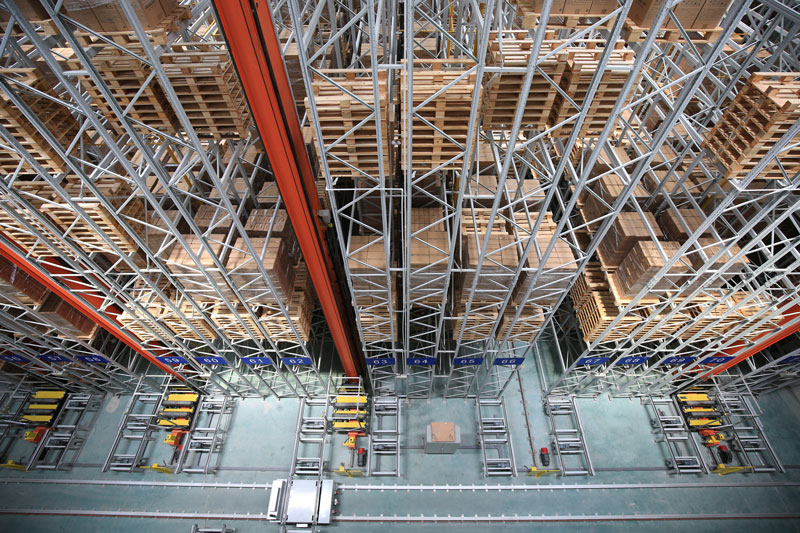
ASRS system executes high-density storage placement
System distributes inventory across multiple zones
Real-time demand triggers dynamic task creation
AI engine assigns retrieval tasks to optimal equipment
Conveyor / AGV systems transport goods
Outbound delivery is automatically completed
Results & ROI
- Throughput capacity: 1
- 000+ operations/hour
- Storage efficiency: +60%–70% improvement
- Labor reduction: up to 60%
- Picking accuracy: significantly improved
- System congestion: reduced to near zero
- Warehouse utilization: maximized vertical + horizontal space
- Operational stability: highly consistent under peak load
Equipment List
- ASRS stacker crane system
- Shuttle storage and retrieval system
- High-density racking structure
- Conveyor belt and sorting system
- AGV / AMR transport units
- AI scheduling control platform
- WMS / WES / ERP integration system
- Sensor and scanning network system
Project Overview / Opening
ASRS warehouse design in 2026 is no longer just about mechanical layout—it is a full digital logistics architecture.
The integration of AI scheduling systems allows warehouses to operate as intelligent decision-making systems rather than static storage facilities.
Key Points
- AI-driven warehouse scheduling is core technology
- Multi-zone distributed design improves efficiency
- 1,000+ operations/hour requires system-level coordination
- Equipment integration is more important than single machines
- Real-time decision logic replaces manual planning
- System scalability is essential for growth
- Digital twin simulation improves design accuracy
Implementation / Workflow
Implementation process includes:
Demand analysis and SKU classificationWarehouse layout simulation (digital twin)ASRS structural design (vertical + horizontal zones)AI scheduling system configurationEquipment selection and integration planningWMS/WES system integrationSystem testing and load simulationFull commissioning and optimization
Customer Value / Results
This ASRS design approach delivers:
Higher warehouse throughput efficiencyReduced operational complexityImproved system scalabilityLower long-term labor dependencyFaster order fulfillment cyclesBetter inventory visibility and controlStrong ROI through automation optimization
Conclusion / Next Step
ASRS warehouse design in 2026 is fundamentally driven by AI scheduling and system-level optimization.
Companies that adopt intelligent design early gain significant advantages in cost, efficiency, and scalability.
If you are planning an ASRS warehouse project, we can support you with:
System design and simulationLayout optimizationInvestment estimationFull project execution
Related Blog
Start with Your Business Challenge
Tell us about your warehouse, factory, or production requirements. We'll help you explore practical automation solutions and relevant project references.