Smart Aluminum Factory: How IoT and Automation Improve Extrusion Production Efficiency
Summary
This article explains how smart aluminum factories integrate industrial IoT, automation systems, and real-time data analytics to improve aluminum extrusion production efficiency.
It demonstrates how digital manufacturing transforms traditional extrusion plants into fully connected, intelligent production systems with higher efficiency and lower operational costs.
Technology
- Industrial Internet of Things (IIoT) smart factory platform
- PLC + SCADA industrial control systems
- AI-driven production optimization engine
- Real-time sensor monitoring system
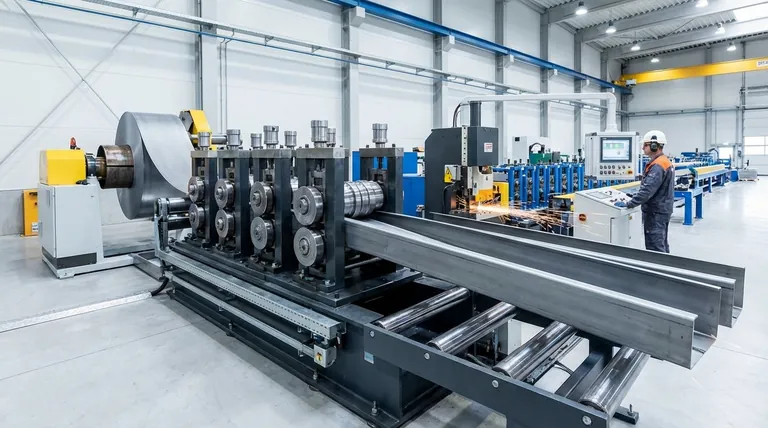
- Automated aluminum extrusion production line
- MES / ERP integrated manufacturing system
- Predictive maintenance algorithms
- Digital twin simulation system
- Cloud-based manufacturing data platform
- Smart energy and efficiency monitoring system
Challenge
Traditional aluminum extrusion factories face major limitations:
Lack of real-time production visibility
Manual monitoring of machine performance
Inefficient production scheduling
High downtime due to unexpected failures
Poor coordination between production stages
Limited data for decision-making
Low efficiency in resource allocation
These issues prevent factories from achieving high-performance manufacturing.
Solution
Smart aluminum factories solve these challenges through:
Full IoT-based machine connectivity
Real-time production data collection
AI-driven production optimization
Predictive maintenance systems
Automated process coordination
Centralized MES control platform
Energy and efficiency monitoring systems
Digital twin factory simulation
This creates a fully intelligent and self-optimizing production environment.
Workflow & Layout
IoT sensors collect real-time machine data
Data is transmitted to centralized cloud platform
AI system analyzes production efficiency
MES system coordinates production scheduling
Extrusion line operates under automated control
Equipment performance is continuously monitored
Predictive maintenance alerts system issues
Production data is visualized in real time dashboards
Results & ROI
- Production efficiency increased by 30–60%
- Downtime reduced significantly through predictive maintenance
- Equipment utilization rate improved
- Labor monitoring workload reduced
- Energy consumption optimized in real time
- Faster decision-making through data visibility
- Improved production stability
- Higher ROI from digital transformation
Equipment List
- Industrial IoT sensor network
- PLC control systems
- SCADA monitoring platform
- MES production management system
- AI analytics engine
- Smart extrusion production line
- Cloud data storage system
- Predictive maintenance software
- Energy monitoring devices
- Digital twin simulation platform
Project Overview / Opening
A smart aluminum factory represents the next stage of industrial evolution, where IoT and automation technologies are integrated into every stage of aluminum extrusion production.
This transformation enables factories to operate with higher efficiency, transparency, and intelligence.
Key Points
- IoT enables real-time production visibility
- Automation reduces manual intervention
- AI improves production efficiency continuously
- Predictive maintenance reduces downtime
- Data-driven decision-making improves accuracy
- Smart factories increase scalability
- Digital systems improve long-term competitiveness
Implementation / Workflow
Smart factory implementation includes:
Factory digitalization assessment
IoT sensor deployment planning
Automation system integration (PLC/MES)
Data architecture design
AI analytics system setup
Production line connectivity configuration
System testing and optimization
Full smart factory deployment
Customer Value / Results
This smart factory system delivers:
Higher production efficiency
Reduced operational cost
Real-time production visibility
Lower downtime and maintenance cost
Improved decision-making speed
Better resource allocation
Scalable manufacturing infrastructure
Long-term competitive advantage
Conclusion / Next Step
Smart aluminum factories powered by IoT and automation are redefining modern manufacturing standards.
Factories that adopt digital transformation early gain significant advantages in efficiency, cost control, and scalability.
If you are planning a smart factory upgrade, we can support you with:
Industrial IoT system design
Automation integration planning
Production optimization strategies
Cost and ROI analysis
Full project implementation support
Related Blog
Start with Your Business Challenge
Tell us about your warehouse, factory, or production requirements. We'll help you explore practical automation solutions and relevant project references.